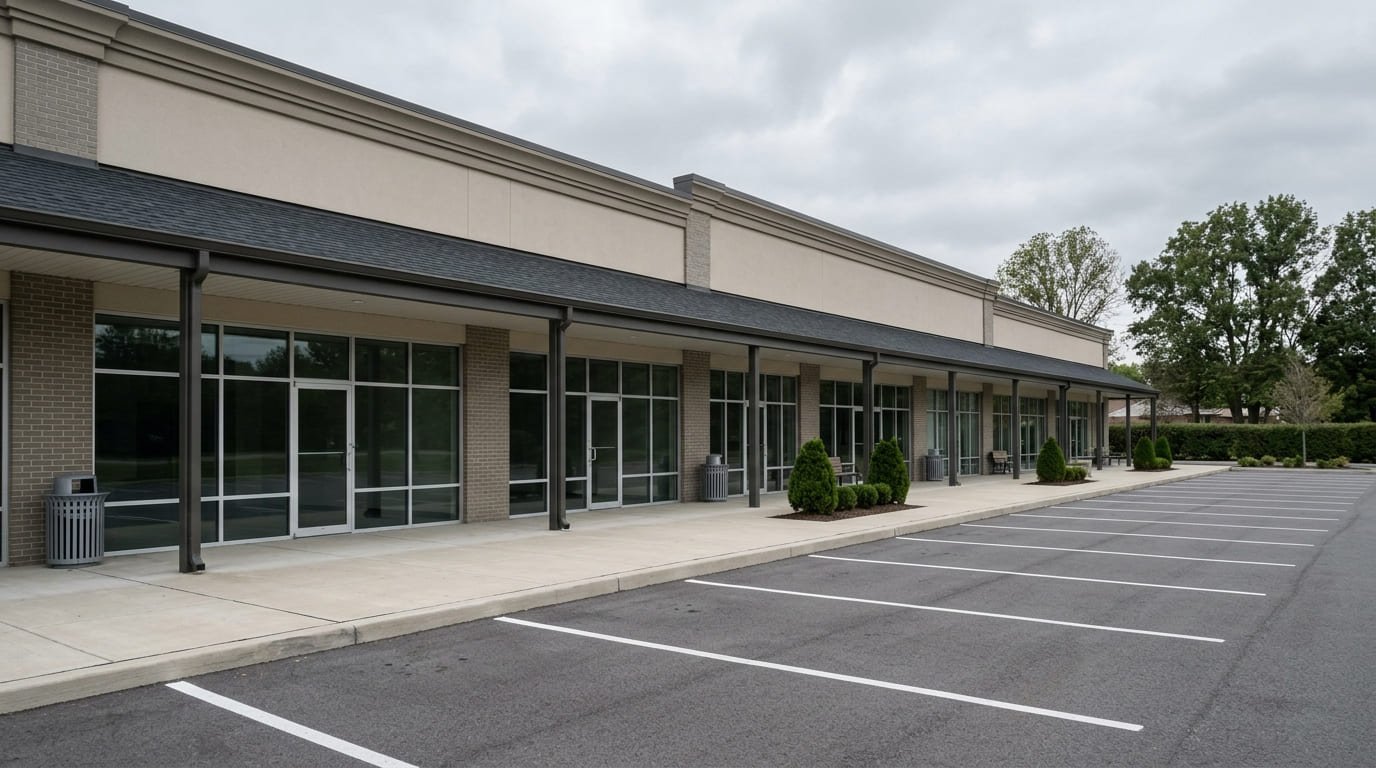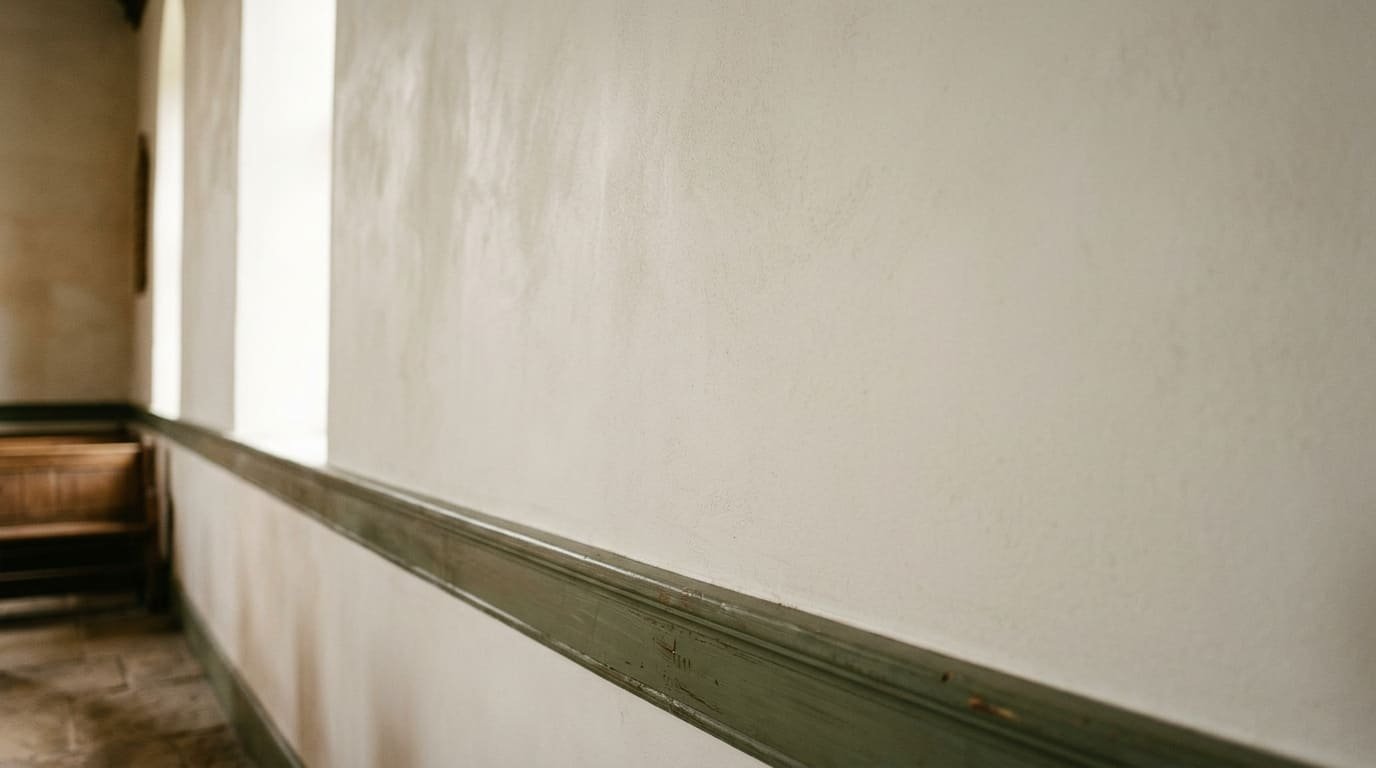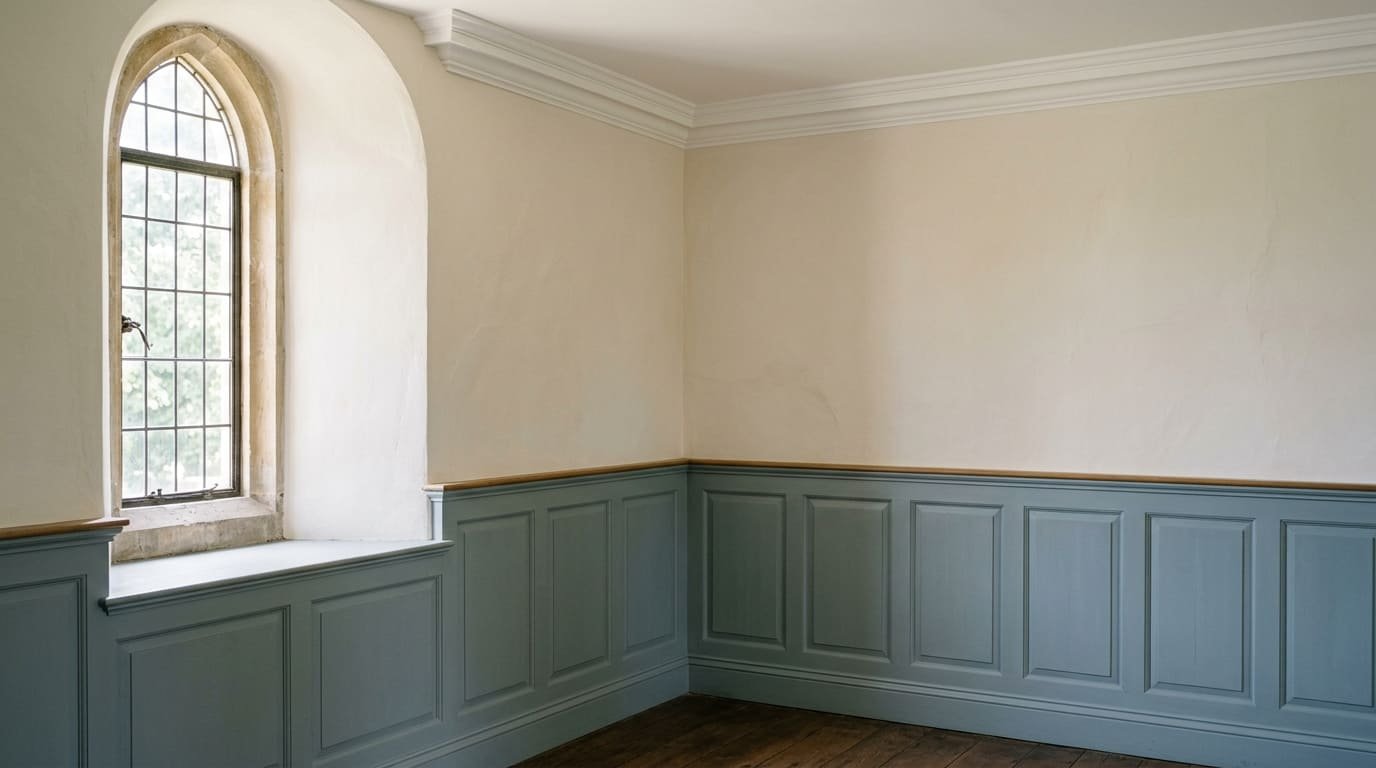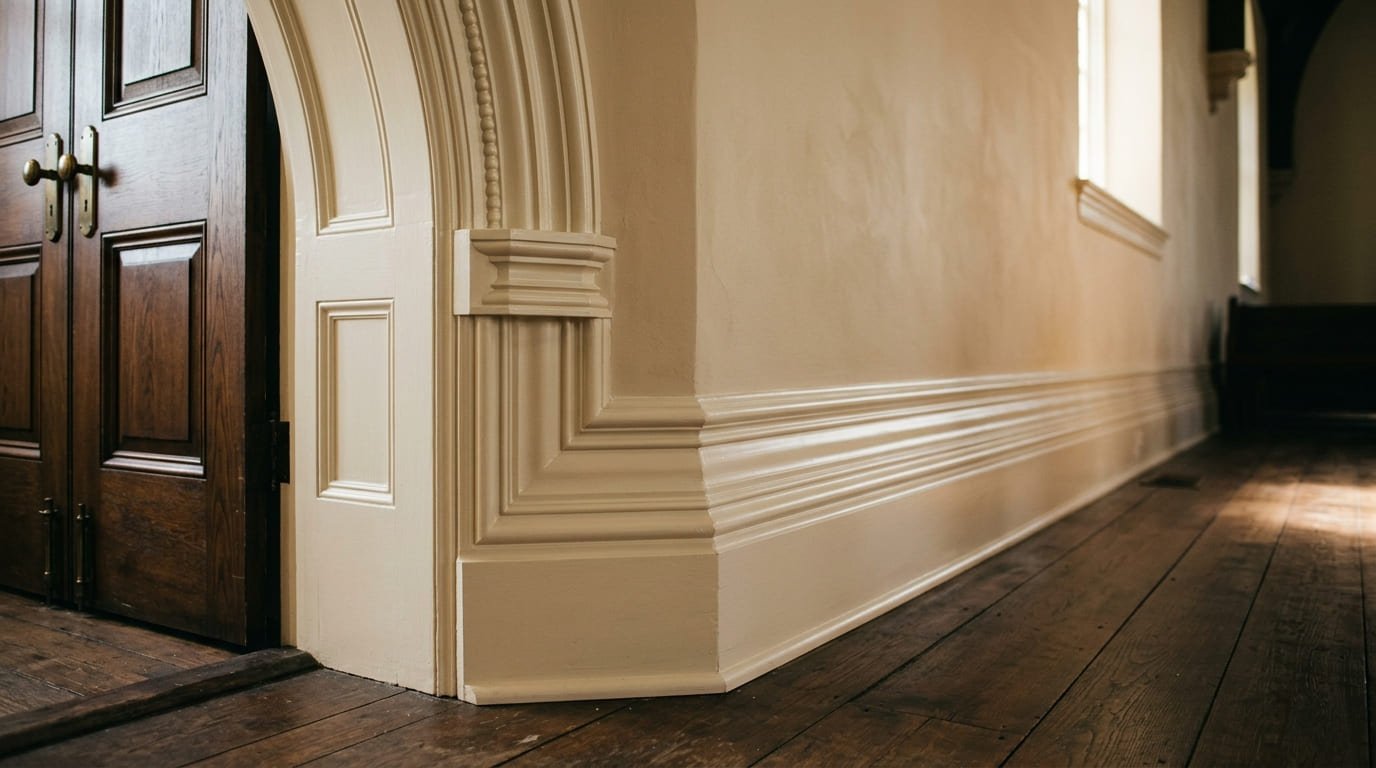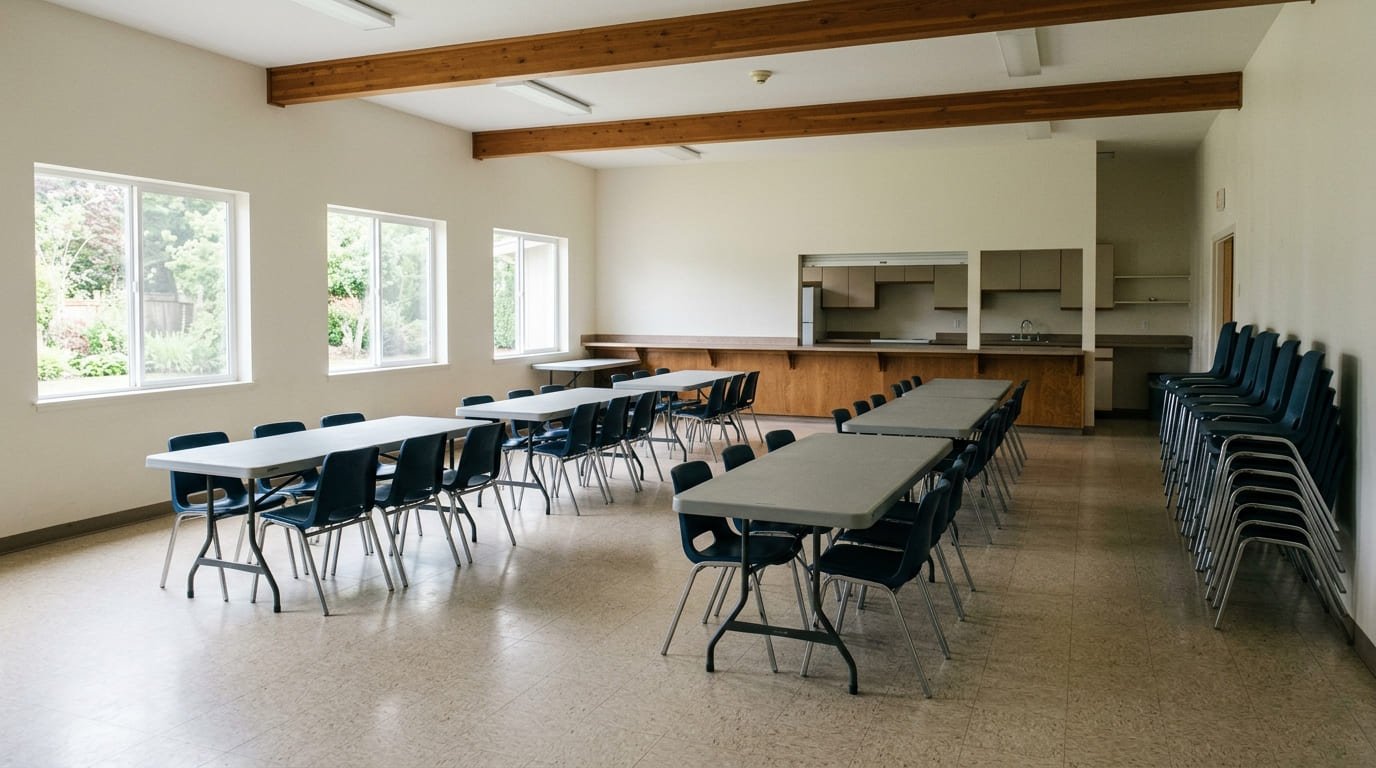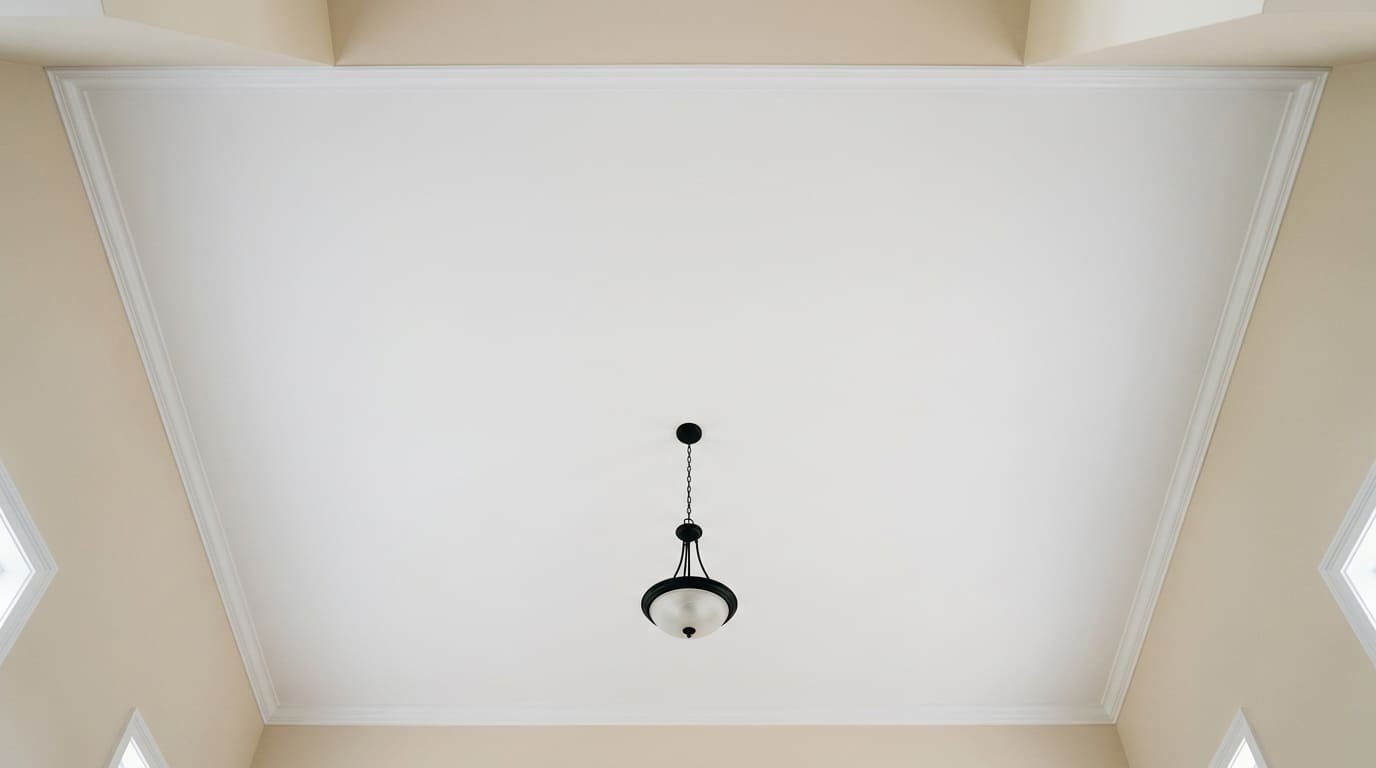

How Facility360° stabilized a storm-driven water intrusion, restored damaged plaster and paint in the sanctuary and fellowship hall, and did it all between services — without a single cancelled worship or community program.
| Client Type | Congregation Board / Facilities Trustee |
| Property Type | Historic church with attached fellowship hall and community program space |
| Industry | Churches & Community Centers |
| Location | Norristown, PA 19401 (Montgomery County) |
| Building Age | Late 19th-century masonry church building |
| Property Size | ~11,000 sq ft (sanctuary, fellowship hall, classrooms, offices) |
| Trigger Event | Storm-driven water intrusion through a failed roof/gutter detail |
| Services Provided | 24/7 Emergency Repairs, Storm & Water Damage Response, Moisture Control, Ceiling & Wall Repair, Interior Painting, Trim & Molding Painting, Low-VOC Coatings |
| Project Duration | Emergency stabilization (same day) → restoration over 6 weeks |
| Completed | Spring 2026 |
| Services or Programs Cancelled | 0 |
Norristown is Montgomery County’s seat, founded in 1784 and built on hills sloping down to the Schuylkill River about 15 miles northwest of Center City Philadelphia. Its Central Historic District — on the National Register since 1984 — is anchored by the county courthouse, and among its defining buildings are three historic 19th-century churches. In a downtown of three- and four-story structures, it is the church spires that rise above the roofline.
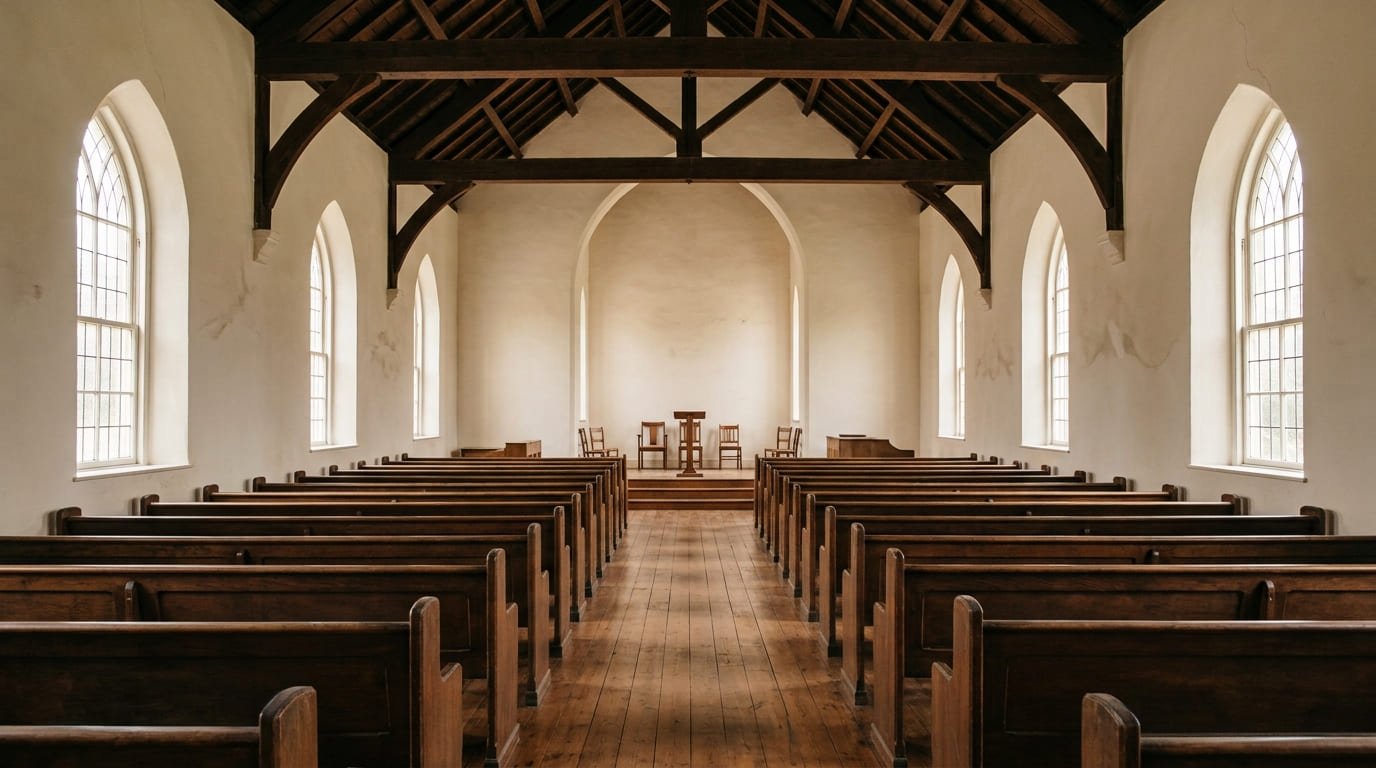
Those buildings are beautiful and they are demanding. Our client’s congregation occupies a late 19th-century masonry church with an attached fellowship hall that runs community programming most days of the week — not just Sunday worship, but a food pantry, tutoring, AA meetings, and a rotating calendar of community use.
Then a heavy spring storm found a failed gutter and flashing detail above the sanctuary’s east wall.
By the time the trustee called us, the situation had the shape every church facility person dreads:
The trustee’s first question was the honest one: can you stop this today, and can you do the rest without us closing the building?
We split the work in two — an immediate emergency response to stop the damage, then a restoration phase sequenced entirely around the building’s program schedule.
Our 24/7 emergency commercial repairs team responded the same day:
Restoring finishes over a wet substrate guarantees a repeat failure. Before any repair began:
The congregation gave us their program calendar. We built the sequence around it, working in the gaps rather than asking for closures:
Every phase — moisture readings, photos of the opened areas, materials used, dates — was documented and handed to the trustees. For a congregation whose building knowledge had lived in volunteers’ heads, that record is now the starting point for planning rather than a reconstruction exercise.
Note on scope: this project covered emergency stabilization, water mitigation, interior surface restoration, and painting. Permanent roof and gutter replacement was performed by a licensed roofing contractor; we coordinated our restoration sequence around their work. Stained glass, pipe organ, and structural masonry restoration are specialist trades handled by their respective conservators.
"When the storm hit, my first thought wasn't the wall — it was the pantry on Tuesday and worship on Sunday. Those aren't things you just cancel; people count on them. Facility360° were here the same day, stopped the water, and then worked around our calendar for six weeks. We never once closed the building. And the wall doesn't look repaired — it looks like it always did. What I didn't expect was the paperwork at the end. We'd never had a written record of this building. Now we do, and we know what's coming next instead of waiting for it to break."
— David Morrison, Facilities Trustee, Grace Fellowship Church, Norristown, PA
Congregations and community organizations run on a calendar that does not bend, a budget with no slack, and buildings that are often the oldest on the block. Our work with churches and community centers is built around those three facts: emergency response when a building turns on you, restoration scheduled into the gaps between worship and programs, and a written record so the next decision is a planned one instead of another emergency.
For congregations working through deferred items on a fundraising timeline, we can also scope and phase the work so it lines up with what the budget can actually carry.
This project is part of our commercial painting services in Norristown and our broader facility services in Norristown. We serve congregations, community organizations, and municipal facilities throughout Norristown’s downtown and historic district, the Main Street and DeKalb Street corridors, and nearby East Norriton, West Norriton, Bridgeport, Jeffersonville, and Plymouth Township — across Montgomery County and Greater Philadelphia.
Given Norristown’s low-lying areas near the Schuylkill River, Stony Creek, and Saw Mill Run, we also provide emergency commercial repairs in Norristown and flood and water damage restoration for buildings at risk during heavy rain events.
Whether you’re dealing with an active leak right now or a list of deferred items you’ve been carrying for years, we can help — starting with what’s urgent and phasing the rest against your budget and your calendar.
Request commercial service
Tell us what needs attention and we’ll get back to you with next steps.
Request commercial service
Tell us what needs attention and we’ll get back to you with next steps.