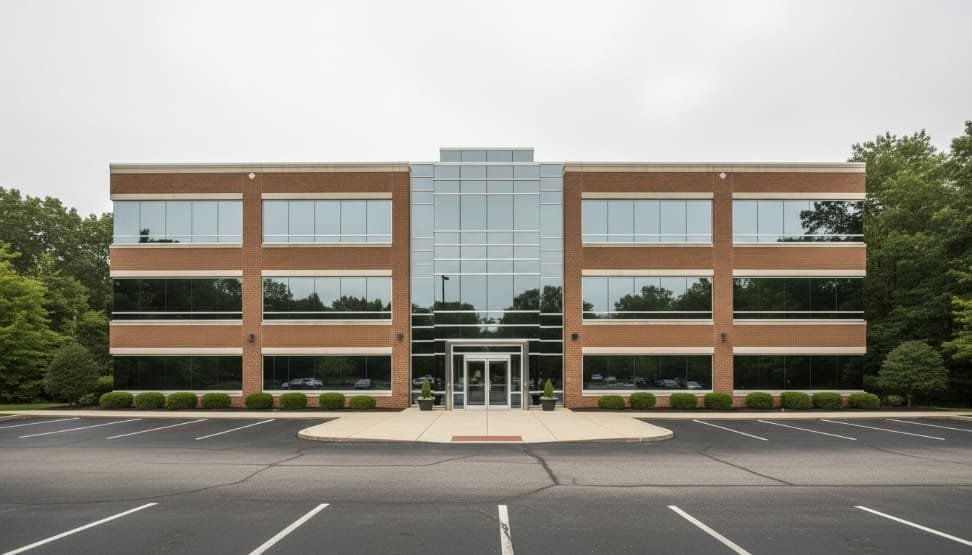

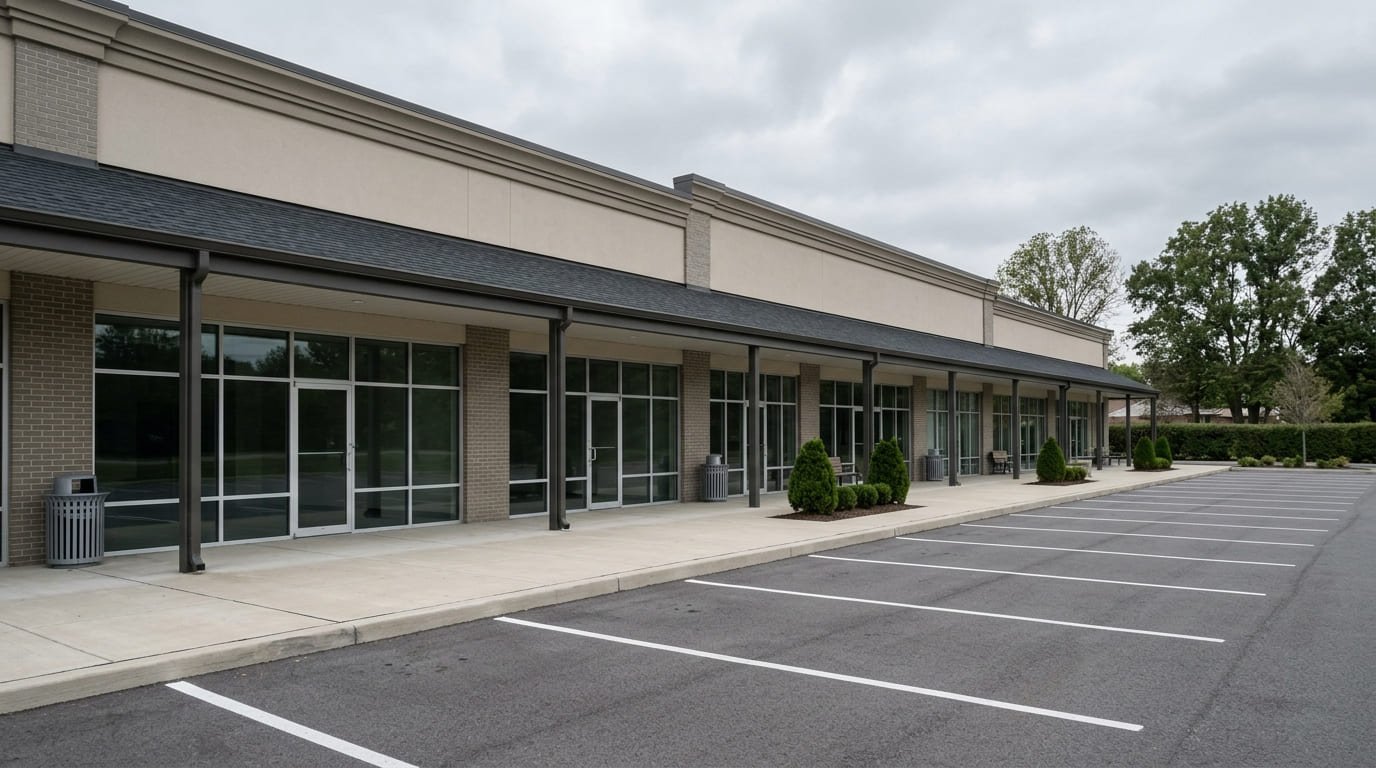
How Facility360° moved a 62,000 sq ft Street Road shopping center from reactive repairs to a scheduled program — cutting emergency calls, making CAM charges defensible, and getting the capital work done before Q4.
| Client Type | Retail Property Management Company (on behalf of ownership) |
| Property Type | Multi-tenant retail plaza (unanchored strip center) |
| Industry | Retail & Shopping Centers |
| Location | Bensalem, PA 19020 (Bucks County) |
| Property Size | 62,000 sq ft GLA, 14 tenant spaces |
| Tenant Mix | Service retail, quick-service food, medical/wellness, fitness |
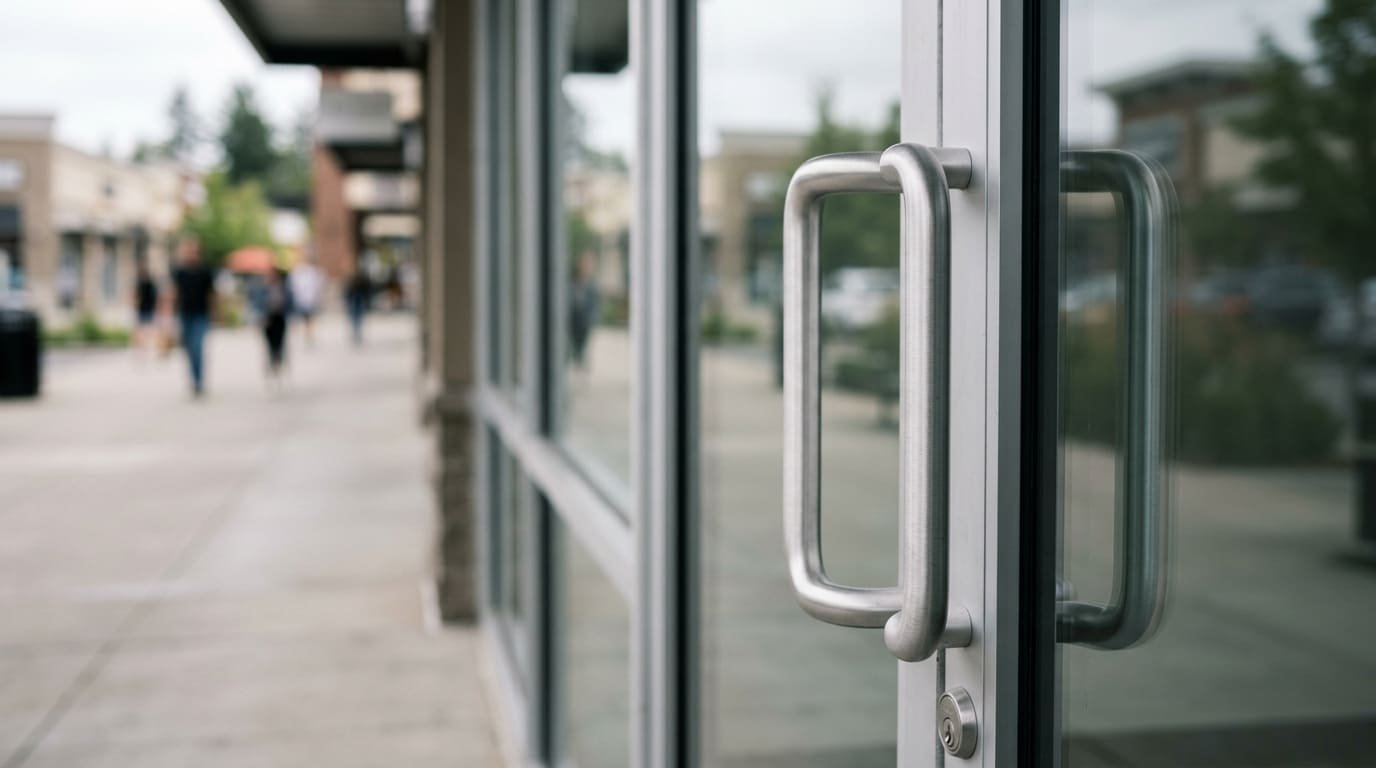
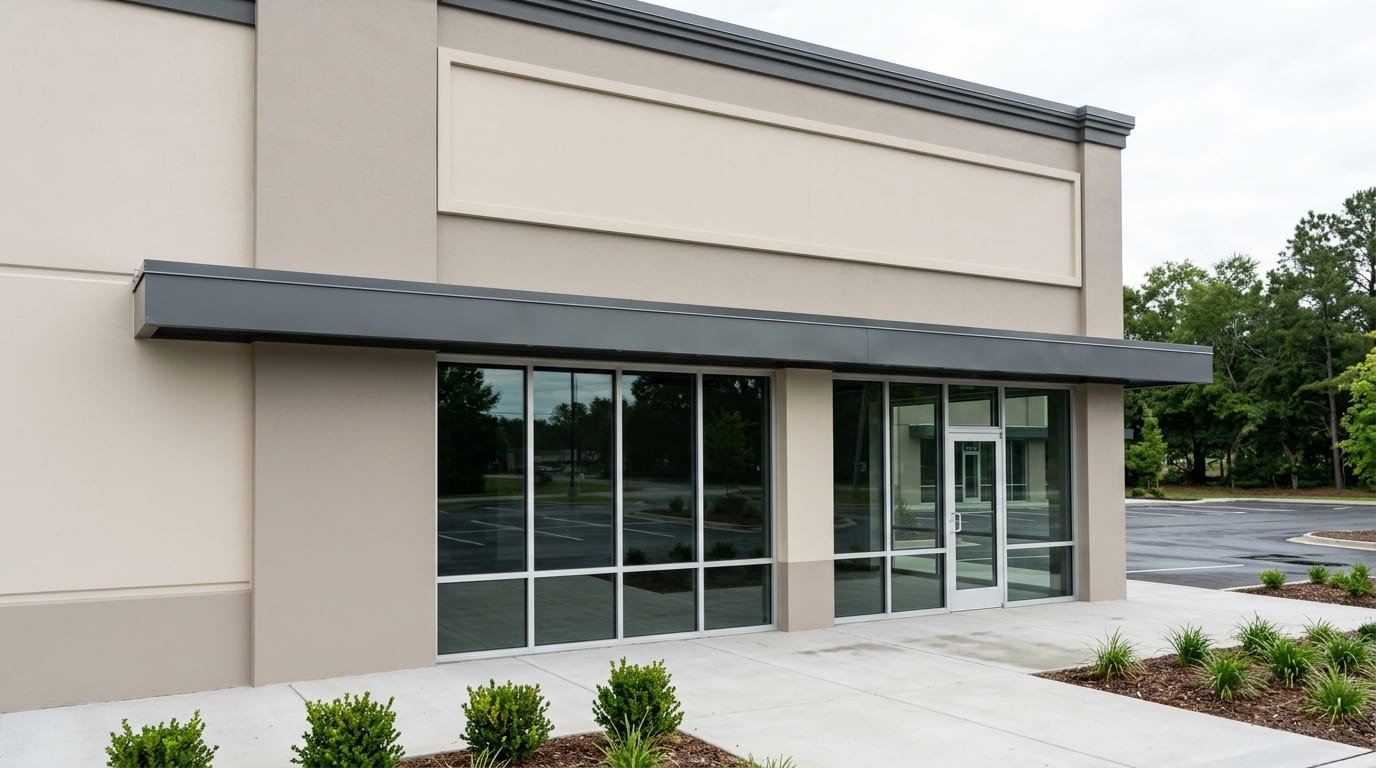
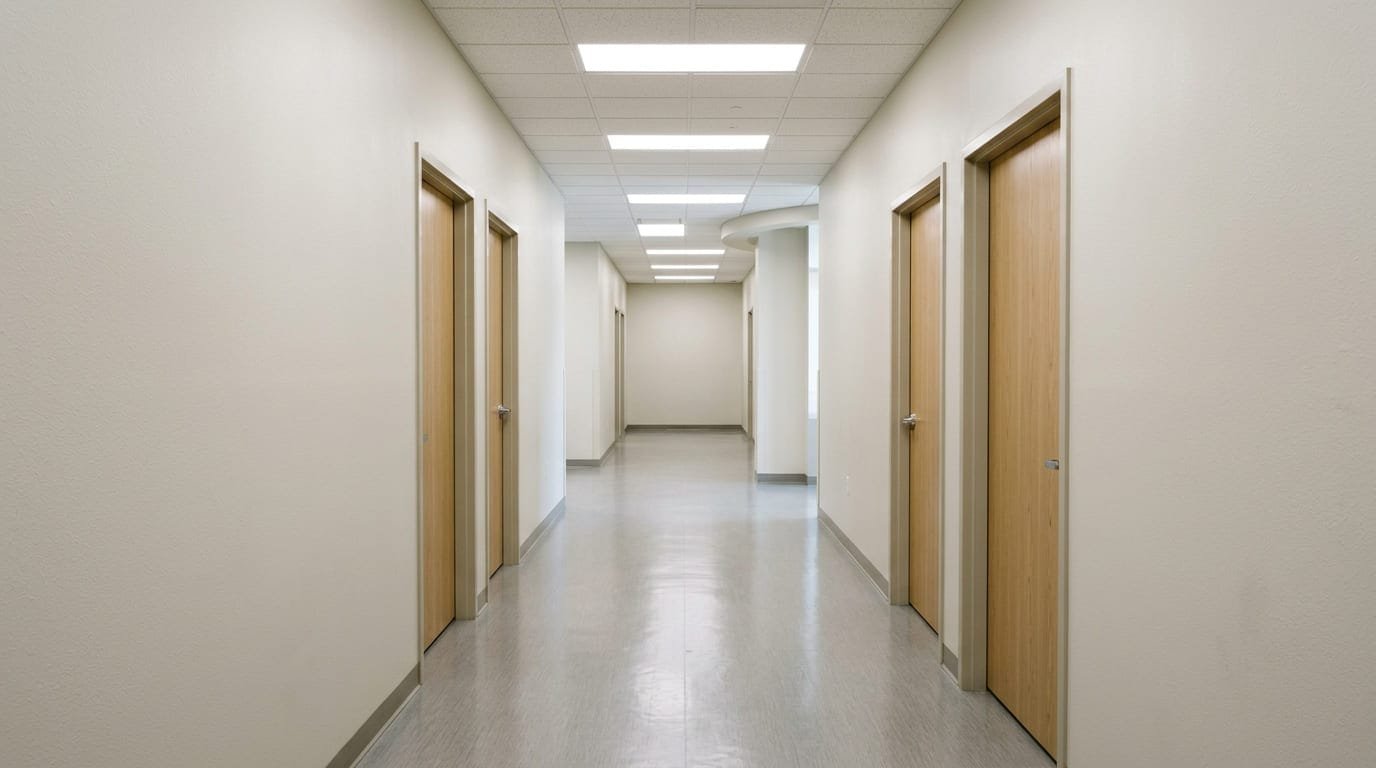
| Services Provided | Facility Support Services, Commercial Handyman, Exterior & Facade Repaint, Window & Storefront Door Repair, Lighting Replacement, Signage Mounting, Ceiling & Wall Repair |
| Program Started | Spring 2025 |
| Status | Active Partnership (14+ months) |
| Service Frequency | Monthly common-area inspections + quarterly exterior review + on-demand response |
Street Road is Bucks County’s retail spine. PA-132 runs roughly 15 miles as a commercial corridor lined with shopping centers, ending at I-95 in Bensalem — and Bensalem Township has long leaned into that, prioritizing commercial development to broaden its tax base. The result is a dense stretch of plazas, strip centers, and pad sites competing for the same drivers on the same five-lane road.
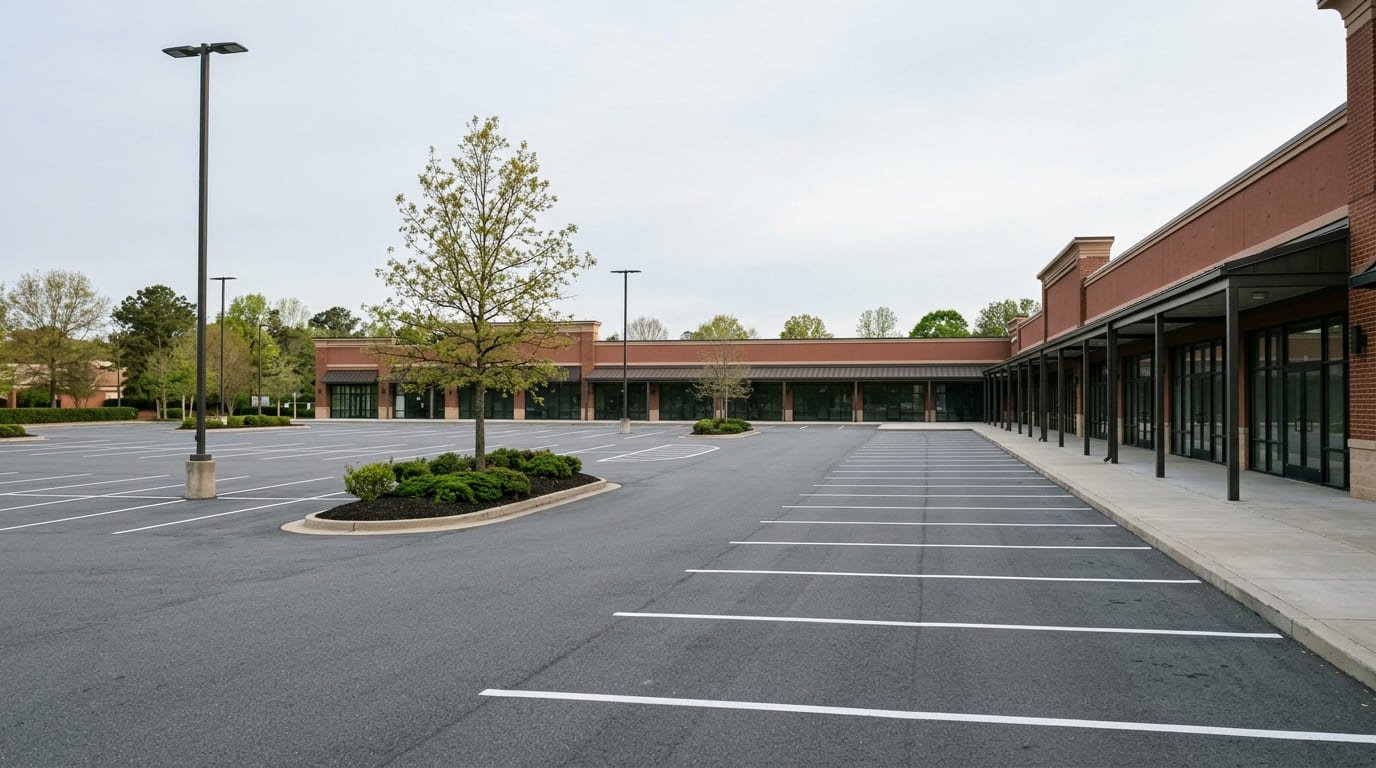
In that market, a tired-looking plaza loses tenants to the newer one half a mile down the road. Our client manages a 62,000 sq ft unanchored center with 14 tenant spaces — the kind of everyday-needs retail that makes up the backbone of suburban Pennsylvania.
When they brought us in, the property was being run reactively, and it showed:
For a multi-tenant retail asset, that combination hits the owner twice: higher operating cost now, and weaker renewals and rents later.
Facility360° replaced ad-hoc repairs with a structured facility support program designed around two things a retail plaza actually runs on: the common area, and the seasonal calendar.
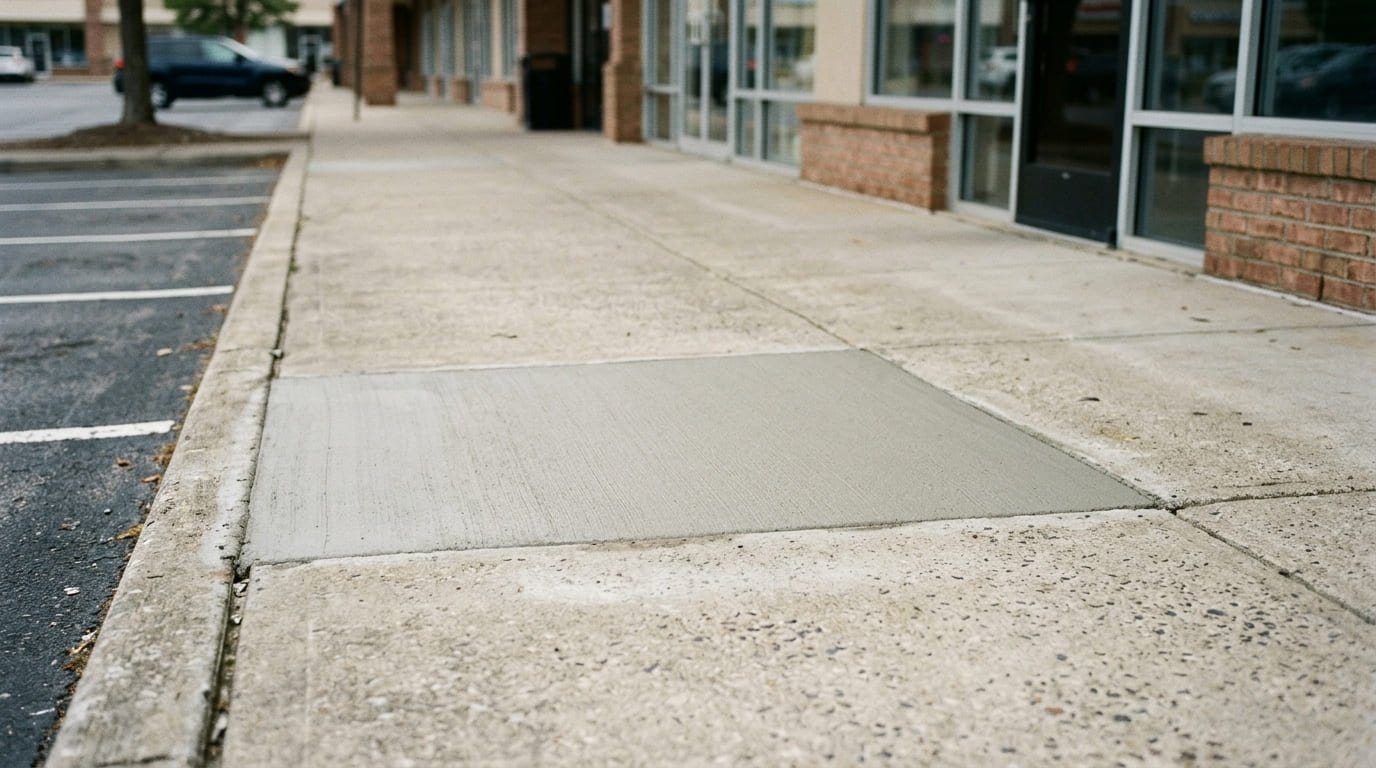
Our licensed team walked the full property — every common area, walkway, storefront exterior, and the lot — and documented:
Rather than a flat monthly contract, we built the schedule around how retail works:
This is what changed the property manager’s job. Every visit produces a report: what was inspected, what was found, what was done, what’s scheduled, with photos. Common area maintenance is the single largest controllable line in a retail center’s operating budget, and it gets billed back to tenants — so when reconciliation comes around, the manager now has a documented record behind every dollar, not just a stack of invoices.
The work itself runs through one team:
Note on scope: this program covers building and site facility maintenance. Landscaping, snow removal, janitorial, and security are handled by the property’s separate specialty vendors; HVAC service sits with the center’s mechanical contractor.
After 14 months, the property runs on a different model — and the numbers reflect a shift in kind, not just degree:
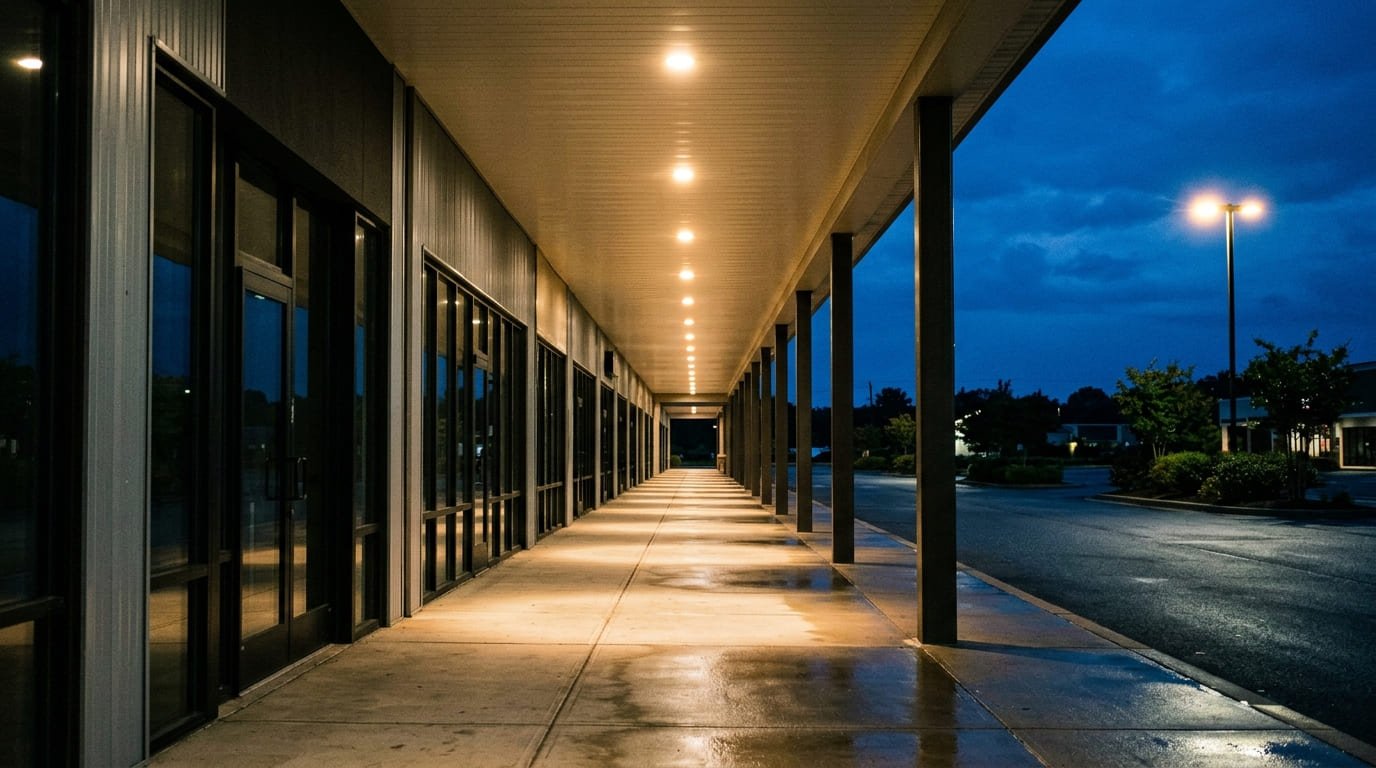
"CAM reconciliation used to be the worst two weeks of my year. I'd be sitting across from a tenant who's asking why they're paying for common area upkeep when the lights at the back of the lot have been out for a month, and all I had was invoices. Now I have a dated report with photos for every single visit. The bigger thing is we're not firefighting anymore — the exterior work is done by September, so December is quiet. That's how a center is supposed to run."
— Kevin Hartley, Regional Operations Director, Bensalem Plaza Holdings, Bensalem, PA
Further reading: why preventive maintenance saves facilities money and the true cost of deferred maintenance.
A retail plaza is not an office building with parking. The common area is the product — it’s what tenants pay CAM for, what shoppers judge in the first ten seconds, and what an owner is really selling at renewal. Our approach to retail and shopping center maintenance is built around that: documented common-area condition, work scheduled around the retail calendar, and reporting a property manager can hand to a tenant without flinching.
This project is part of our facility support services in Bensalem and our broader work across Greater Philadelphia. We serve retail centers along the Street Road (PA-132) corridor, the Route 13 and Bristol Pike corridors, and throughout Bensalem, Trevose, Feasterville, Southampton, and Langhorne — across Bucks County and the surrounding region.
For after-hours incidents at a retail property, we also provide emergency commercial repairs in Bensalem.
If your maintenance spend is mostly reactive, your CAM reconciliation is a fight, and your exterior projects keep sliding into the holidays, that’s a scheduling problem before it’s a budget problem. We can fix the schedule.
Request commercial service
Tell us what needs attention and we’ll get back to you with next steps.
Request commercial service
Tell us what needs attention and we’ll get back to you with next steps.