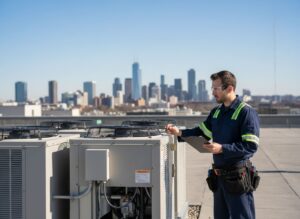


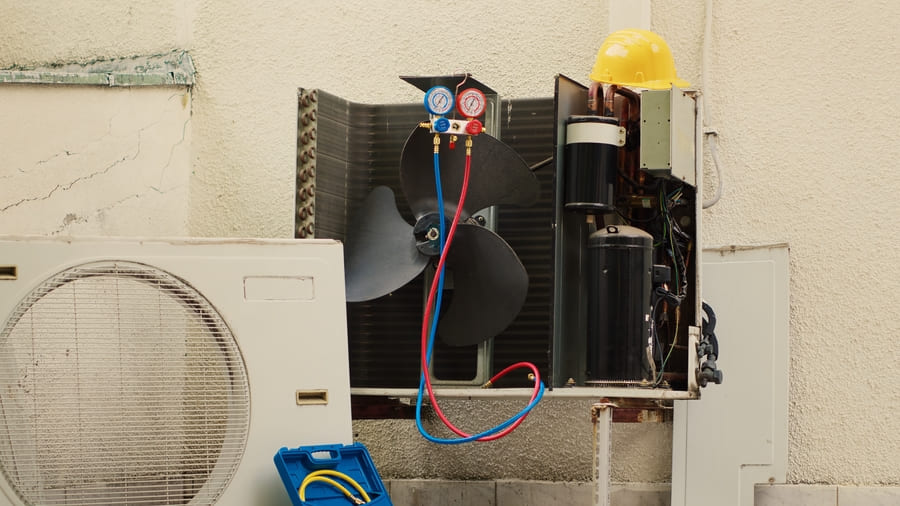
Your heating and cooling system may be wasting 15-30% more energy than necessary without showing obvious signs of failure. Gradual deterioration through dust accumulation, microscopic refrigerant leaks, and worn compressor components reduces performance while increasing utility bills.
Hidden cost impact:
Prevention strategy: Implement quarterly filter replacements, annual coil cleaning, and biannual refrigerant checks to maintain optimal efficiency.
Commercial roofing systems fail silently. UV radiation, temperature cycling, and environmental pollutants break down protective membranes long before visible leaking alerts building occupants.
The hidden danger: Water penetrates compromised membranes during storms, then migrates laterally through insulation layers before appearing as interior damage. By the time ceiling stains become visible, extensive structural damage has already occurred.
Cost comparison:
Hidden pipe failures behind walls, beneath concrete slabs, or in underground supply lines continue undetected for months or years, causing progressive structural damage while wasting thousands of gallons.
Warning signs:
Financial impact: Businesses discovering major hidden plumbing leaks face combined costs of $12,000-$35,000 including emergency repairs, structural restoration, and mold abatement.
Smart solution: Annual leak detection surveys using acoustic listening equipment and thermal imaging cost $800-$1,500 but identify problems before catastrophic failures occur.
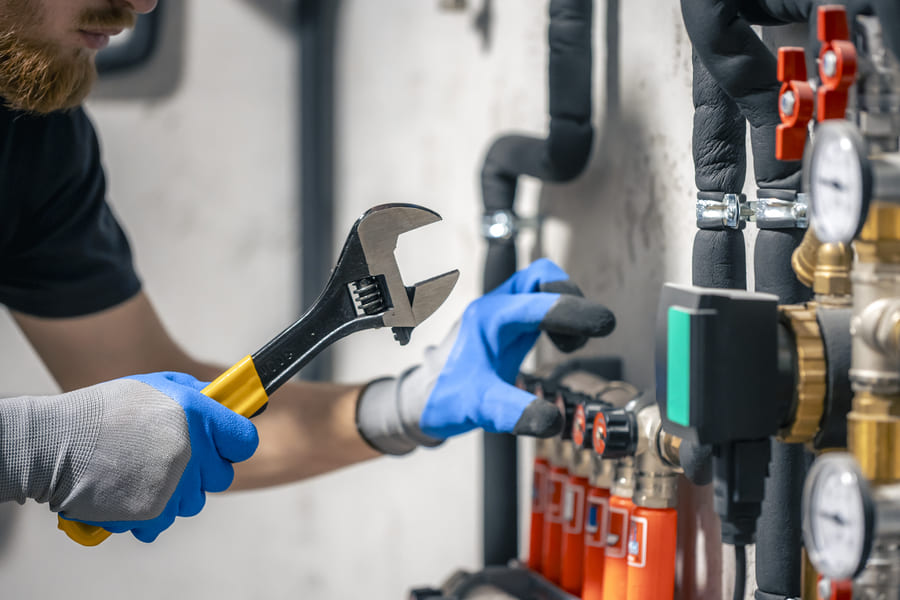
Commercial electrical infrastructure deteriorates through thermal cycling, corrosion, and mechanical stress, creating both safety hazards and operational inefficiencies that remain invisible until equipment malfunction or fire occurs.
High-risk conditions:
Alarming statistics: Electrical fires in commercial properties average $43,000 in direct damage costs, excluding business interruption losses, liability claims, and insurance premium increases.
Protection plan: Annual thermal scanning inspections identifying electrical hot spots cost $600-$1,200 but prevent catastrophic failures. Buildings over 15 years old require comprehensive electrical assessments every three years.
Differential foundation settlement occurs gradually as soil conditions change beneath commercial structures. Early intervention costs substantially less than delayed repairs.
Common misinterpretations: Interior wall cracks, door alignment issues, and floor level variations often get dismissed as cosmetic problems rather than structural concerns requiring professional evaluation.
Cost escalation:
Monitoring recommendation: Annual elevation surveys for buildings in expansive clay soils or high water table areas cost $800-$1,500 and provide early warning when intervention remains cost-effective.
Termite colonies, carpenter ants, and wood-boring beetles operate undetected within commercial structures, systematically destroying structural components. A single termite colony consumes approximately one pound of wood daily.
Discovery typically occurs too late: Visible evidence appears only after extensive damage, usually during renovation projects or when structural failures become apparent.
Remediation costs:
Roof drainage systems, parking lot catch basins, and subsurface drainage lines accumulate debris gradually, restricting water flow and creating conditions for accelerated building deterioration.
Cascading failures:
Cost-effective maintenance: Biannual drainage system inspections including roof drain cleaning, catch basin debris removal, and subsurface line flushing cost $500-$1,200 annually but reduce total building envelope maintenance costs by 25-35% over ten-year periods.
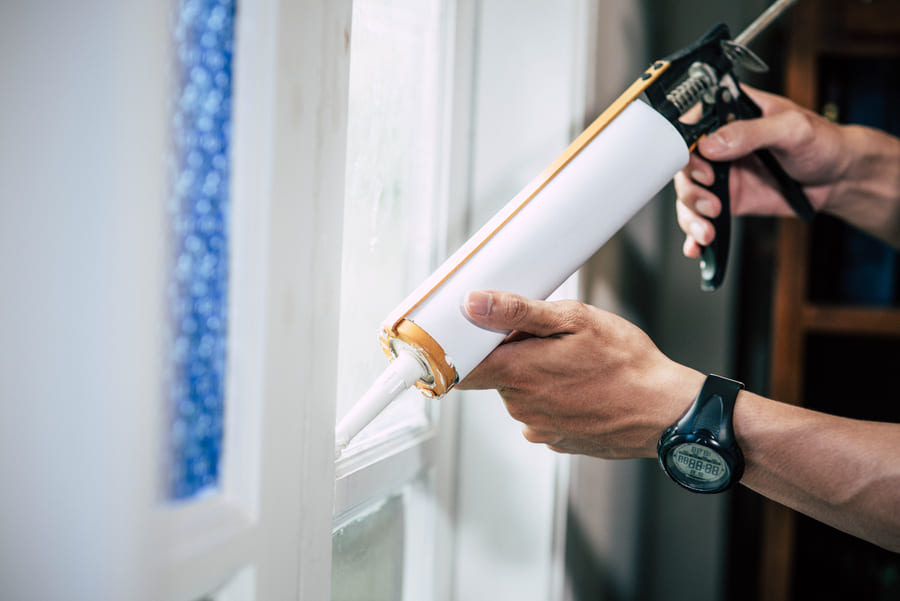
Building envelope caulking deteriorates through UV exposure, temperature fluctuations, and building movement. Failed sealants create pathways for moisture intrusion and air infiltration, increasing heating/cooling costs by 10-20%.
Replacement timeline: Exterior caulking joints around windows, doors, and building penetrations require replacement every 8-12 years depending on product quality and exposure conditions.
Prevention vs. reaction:
Professional commercial painting services often include exterior sealant inspection and replacement as part of comprehensive building envelope maintenance programs.
Asphalt parking lots deteriorate progressively through oxidation, thermal cycling, and water penetration. Reactive approaches cost substantially more than proactive preservation programs.
Extended hidden costs:
Lifecycle cost savings:
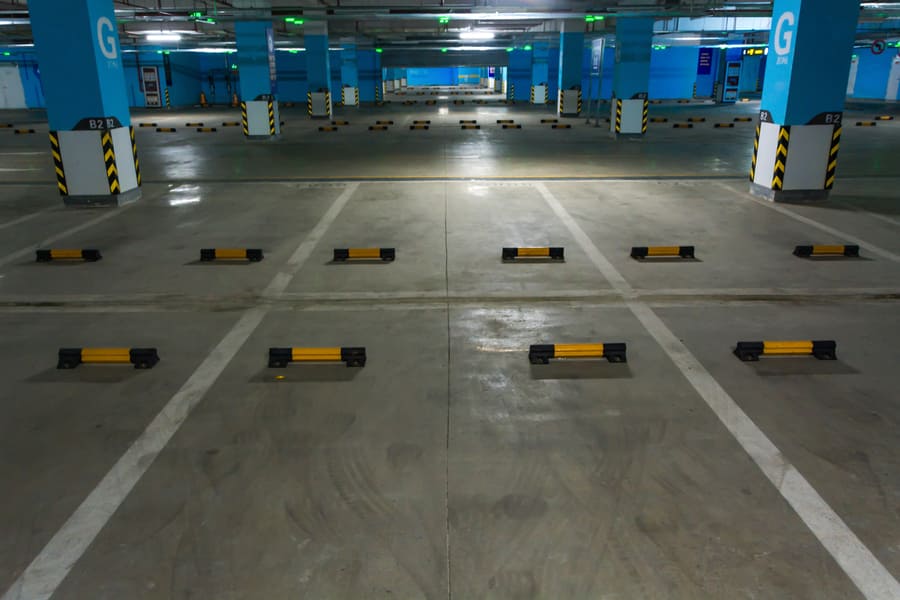
Commercial lighting systems degrade through lamp depreciation, ballast failures, and fixture deterioration. Businesses rarely recognize the cumulative effect of individual lamp failures, allowing dangerous illumination deficiencies.
Business impact:
Smart maintenance approach: Comprehensive lighting audits measuring illumination levels cost $500-$1,200 for typical commercial properties. Group relamping every 2-3 years maintains proper illumination while reducing labor costs versus individual lamp replacement.
Catching these before they hide
Every issue on this list shares one trait: it stays invisible until someone walks the building looking for it. Structuring those walkthroughs into a fixed rhythm is what turns a list of problems into a working program — we’ve mapped out what to inspect and how often across a full year for multi-tenant office properties in the Philadelphia region.
The true financial impact extends beyond individual repair costs. Neglected problems create cascading failures affecting multiple building systems. Water intrusion from failed roofing compromises insulation effectiveness, increasing HVAC operating costs while creating mold growth conditions.
Proven ROI: Businesses implementing comprehensive preventive maintenance programs reduce total facility operating costs by 18-30% compared to reactive approaches. The average 20,000 sq ft commercial property saves $12,000-$18,000 annually through proactive maintenance preventing hidden issues from escalating.
Whether you operate offices and business centers, retail shopping centers, or warehouses and industrial facilities, investing in systematic preventive maintenance protects your property value and reduces long-term operating costs.
Successful maintenance strategies require systematic inspection protocols identifying developing problems before symptoms become apparent. Partner with qualified commercial maintenance contractors implementing structured assessment programs addressing all critical building systems.
Ready to protect your investment? Contact our facility management experts for a comprehensive building assessment and customized preventive maintenance plan.